The Far East at Home: A Japanese Garden
Create a calming Japanese-style garden at home. Discover the key principles — stone, water, bridges and a gazebo — that bring harmony to any outdoor space.
 František Kečkéš · Updated · 5 min read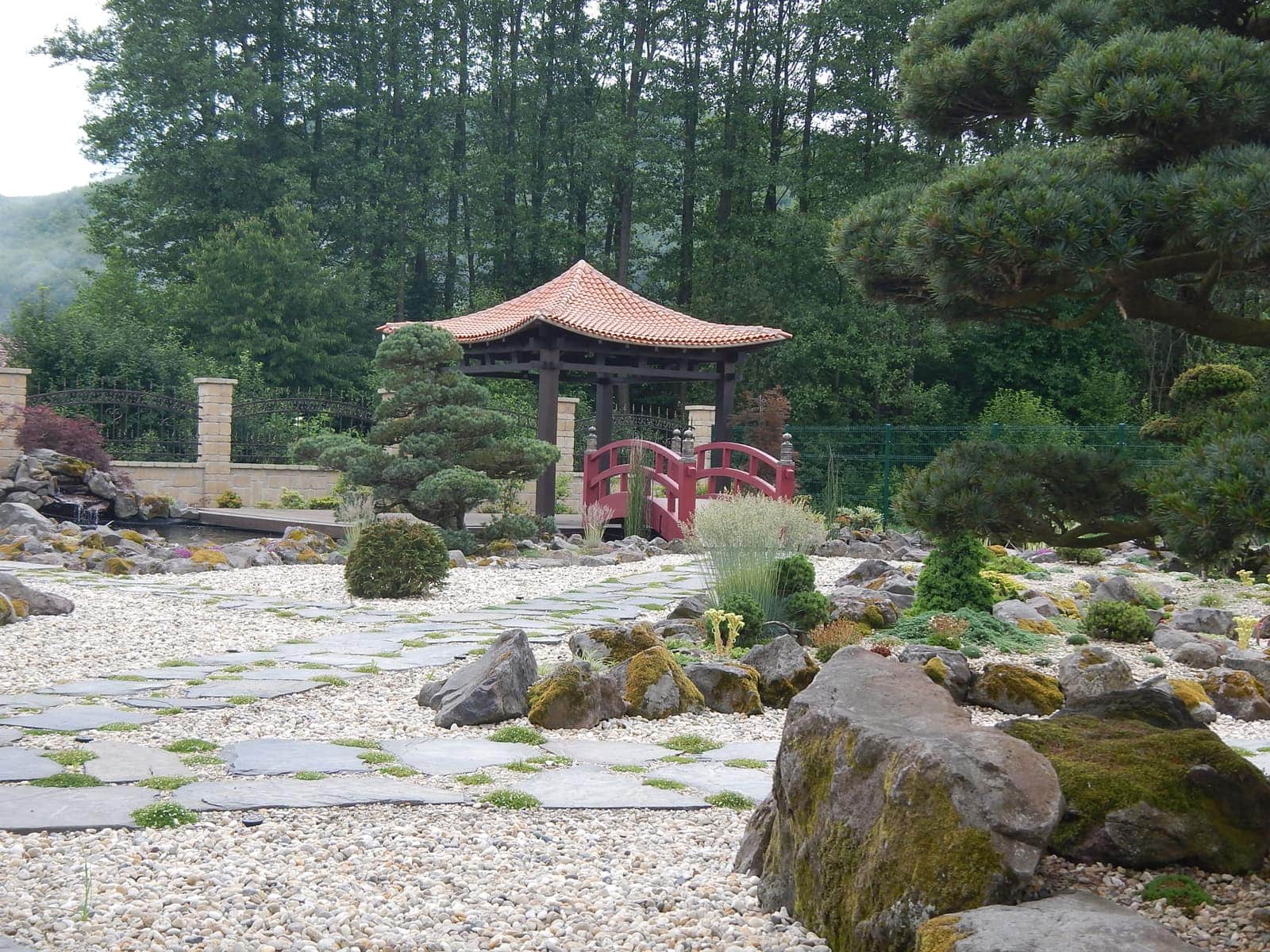
In short: A Japanese-style garden is a harmonious space that combines plants with inanimate elements — stone, sand, water and wood. It is governed by order, asymmetry and symbolism. It typically features a stone path, a water or sand area, a bridge and a gazebo, which serves as an oasis of peace and rest.
The Japanese garden style is defined by its simplicity, harmony and sense of aesthetics. Its main aim is to create a calm, relaxing space that eases your stress and lets you feel closer to nature. In this article we introduce some of the basic principles, along with tips on how to create a Japanese-style garden at your own home.
Do you love a garden that makes the most of its space? A garden that respects the power of nature and is an image of reverence for all things, living and inanimate? That is exactly what defines a Japanese garden — full of plants, but also of inanimate elements such as wood and stone. It is ruled by order and an atmosphere of peace and calm. You can create a harmonious garden like this at your own home too.
The basic principles of a Japanese garden
The Japanese garden has its roots in Chinese garden art and has been developing as a style in its own right since the 5th and 6th centuries. Over the centuries it has become a considered system of rules — including the technique of “borrowed scenery” (shakkei), where distant landscape beyond the boundary of the plot is deliberately drawn into the composition. If this idea appeals to you, it is worth getting to know the basic principles before creating a Japanese garden of your own.
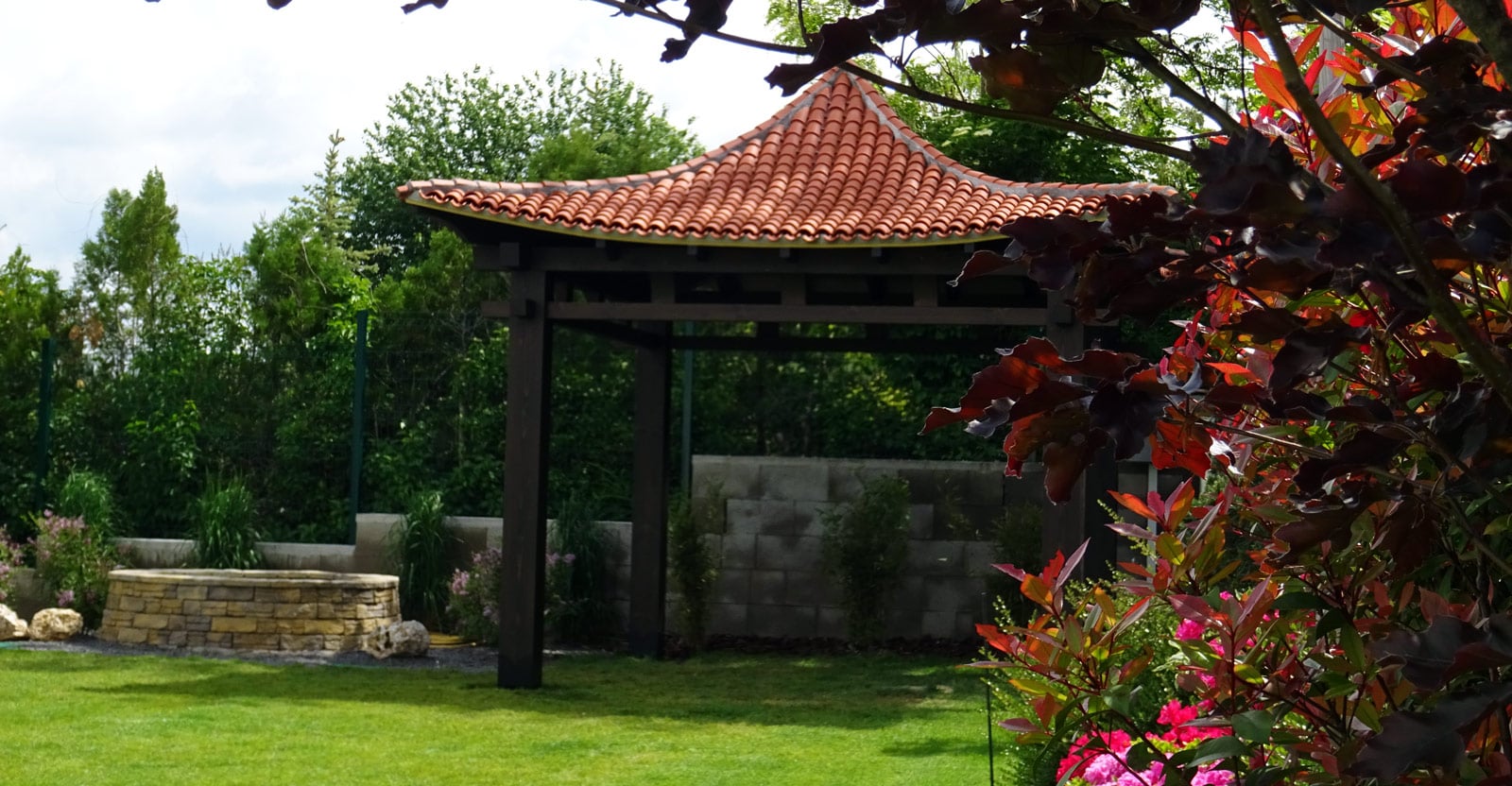
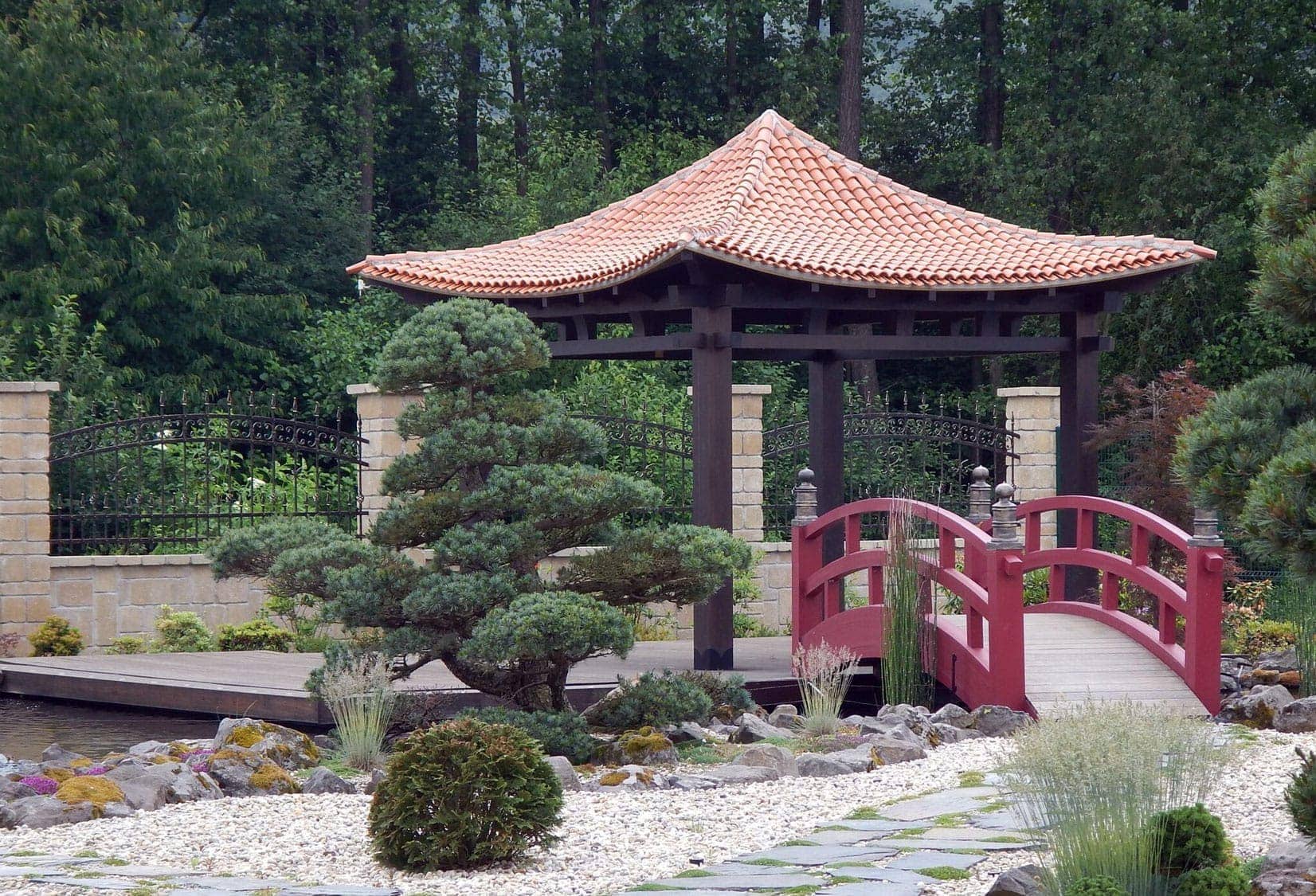
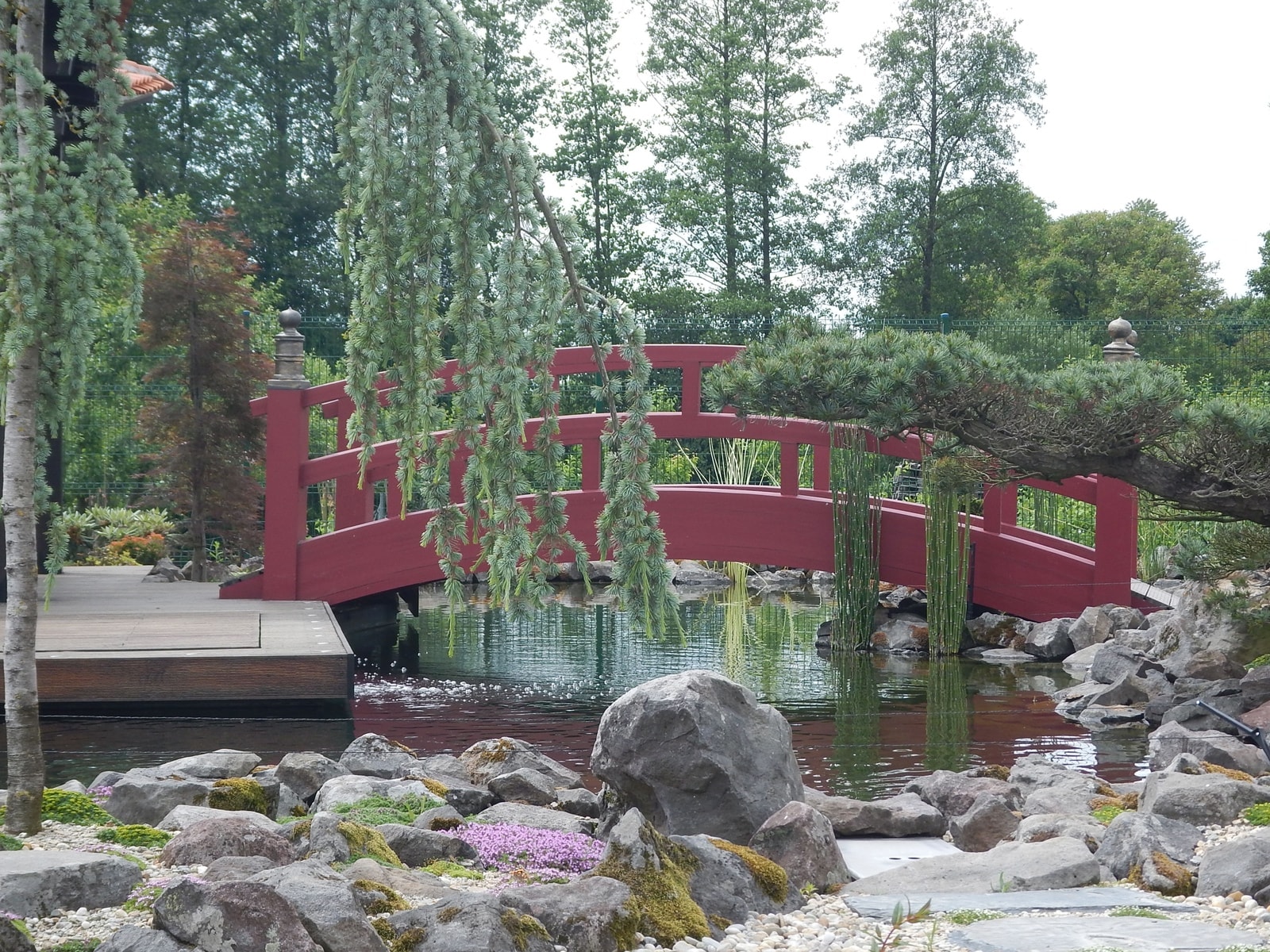
Take your inspiration from videos you can find online. It will help, though, if you know the basic principles of a Japanese garden:
- In this type of garden there should be a place not only for plants but also for sand, stones and water.
- Add decorative features — vases, figurines, sundials, wind chimes or small fountains.
- A stone path is a must. In a Japanese garden you should be able to stroll to every one of its corners. Don’t concrete the paths; choose natural materials such as stone or wood.
- A body of water should also be part of a Japanese garden. If that isn’t possible for you, create a sandy area and rake the sand into a rippled pattern.
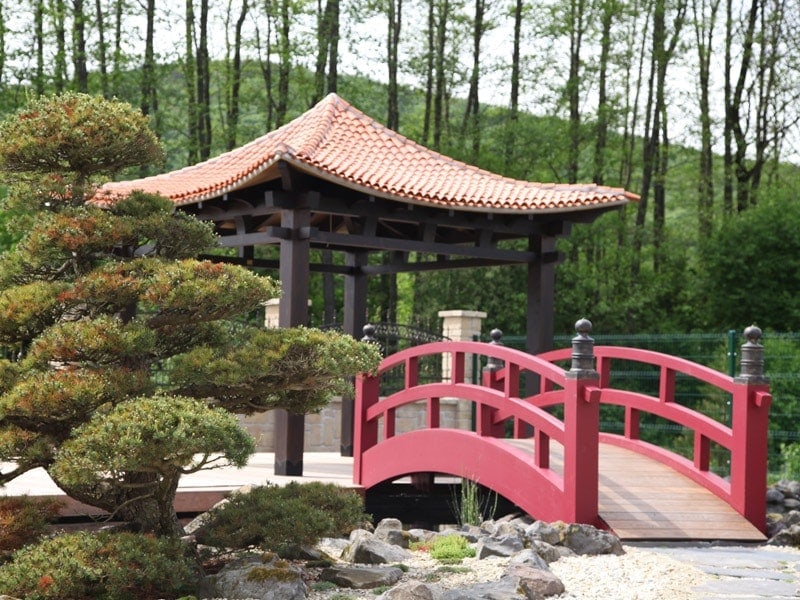
- Bridges are essential too — whether purely as decoration or as bridges that lead across the surface of the water and can be walked over. Again, they should be made of natural materials.
- Respect the symbolism of numbers. You should aim for odd-numbered groupings of elements. If, for example, you decide to place stones as a decorative feature, always use an odd number of them.
- Where possible, don’t close the garden off. It should flow freely out into the space (that is, beyond your plot). Or it should at least give passers-by the chance to enjoy the view of it.
- Place particular emphasis on your choice of plants.
So which plants should you choose? Go for bonsai and bamboo, but also Japanese cherries, Japanese maple, ginkgo, dwarf pines, sakura, magnolias and ornamental grasses. For flowers, you should have above all peonies, roses and irises here. Moss has its place here too.
A Japanese garden also needs a house or gazebo
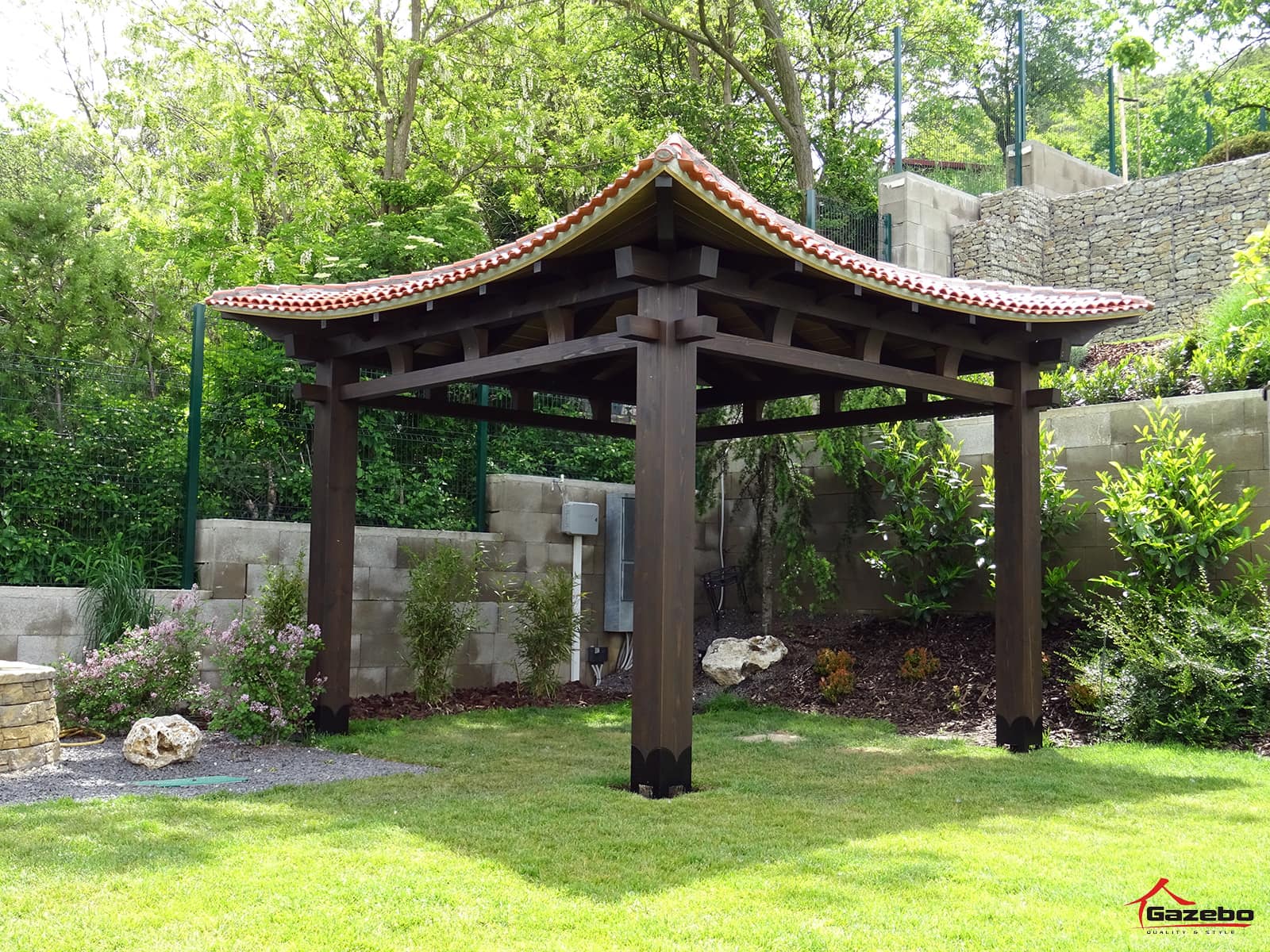
What role does a house or gazebo play in a Japanese garden? It is a place that should become an oasis of peace and rest. It should offer a view of the garden’s striking features — stones, plants, the water, or decorations.
Japanese culture also has so-called tea gardens, where the centrepiece is precisely the gazebo, also known as the tea gazebo. Naturally, it too should be in the Japanese style. A Hinode or Kawaii garden gazebo will look wonderful here and become the heart of your own home Japanese garden. If you’d like to know how much craftsmanship goes into a structure like this, take a look at our detailed account of making and building the Hinode Japanese gazebo.
The main principles of a Japanese-style garden
-
Miniaturisation: A Japanese garden aims to capture the beauty of nature in a small, easy-to-take-in form. This can be achieved with bonsai — small trees grown in pots — or with a rockery of small stones and plants.
-
Asymmetry: The Japanese garden style favours naturalness and a certain wildness over artificial arrangement. So aim for an asymmetrical arrangement of the elements in your garden.
-
Symbolism: A Japanese garden often uses symbols and metaphors to express different values in life. Water, for example, can symbolise time and movement, while stone represents constancy and permanence.
How to create a Japanese-style garden
-
Choosing plants: Choose plants that are typical of a Japanese garden, such as maple, pine, bamboo, azaleas, rhododendrons and others. These plants will help you create an authentic atmosphere and give your garden an exceptional look.
-
Water features: Japanese gardens often include water features such as ponds, streams or fountains. Water in a Japanese garden symbolises purity, calm and the passing of time. You can also add koi carp, a traditional feature of Japanese gardens.
-
Stone and gravel: Stone and gravel are the basic materials used in Japanese gardens. Stone rockeries, stony paths and gravelled areas are characteristic features.
Combining stone, wood and plants
Combining stone, wood and plants is a key element of Japanese gardens. Stone paths and bridges, wooden gazebos and benches, and various kinds of plants such as maples and bonsai create a beautiful harmony in the garden. These elements carry symbolic meaning and give the garden its distinctive character.
Accessories, colours and the changing seasons
Every detail matters when creating a Japanese garden. The palette is restrained — reds, greens and browns predominate, tones that harmonise with the stones, the wooden accessories and the plants. It is precisely this understated palette that lets the natural beauty of nature shine through, rather than drowning it out.
An important part of a Japanese garden is also its transformation through the year. Blossoming sakura in spring, the freshness of summer, the coloured leaves of the maple in autumn and the calm of a snow-covered garden in winter — each season brings a different picture and a different experience. That is why the plants for a Japanese garden are chosen so that it has its charm at any time of year.
Frequently asked questions
Is it possible to create a Japanese garden in a small space?
Yes, it is possible to create a Japanese garden even in a small space. Japanese gardens are known for their balance and harmony, so it is important to choose the right elements to create that harmony. Even in a small space you can use stone paths and bridges, wooden accessories and plants, which form the main component of a Japanese garden.
What are the most important plants for a Japanese garden?
Japanese gardens use a wide range of plants. The most important plants for a Japanese garden are maples, bonsai, bamboo, rhododendrons, azaleas, ikebana and various kinds of flowers and grasses. These plants carry symbolic meaning and contribute to the overall harmony and beauty of the garden.
How can I get started with creating a Japanese garden?
If you want to start creating a Japanese garden, it is important first to get to know the principles and symbolism of the Japanese garden well. Then you can begin choosing the plants, stone elements and accessories that will make up your Japanese garden. Make a sketch and visit a garden centre, where the experts can help you choose the right materials and plants to best suit your needs and preferences.
František Kečkéš
Founder of the family firm Gazebo. He has designed custom pergolas, gazebos and winter gardens since 2009 — from the first sketch through production to installation.
Free consultation →